Designing a home isn’t just about making it look beautiful—it’s about making it work for your life. Over the years, working with different types of homes—from compact apartments to family houses—I’ve realized one thing: good design solves problems. That’s the idea behind Interior Design DrHomey. It’s not about trends or expensive décor. It’s about creating spaces that feel right the moment you walk in.
Let me show you how this approach actually works in real homes.
What Makes This Design Approach Different?
Most people start decorating by picking colors or furniture. That’s where things go wrong.
In our projects, we always start with one simple question:
“How do you live in this space every day?”
For example, I once worked on a small 2-bedroom flat where the client complained about “lack of space.” But when we observed their routine, the real issue wasn’t size—it was layout.
We:
- Removed bulky furniture
- Added vertical shelving
- Opened up walking paths
The result? The home felt 30% more spacious without adding a single square foot.
That’s the difference a functional design mindset makes.
Why Your Home Design Affects Your Daily Life
You might not notice it immediately, but your surroundings shape your behavior.
- A cluttered room makes it harder to focus
- Poor lighting drains your energy
- Bad layouts create daily frustration
On the other hand, a well-designed space:
- Saves time
- Reduces stress
- Improves comfort
This isn’t theory—it’s something I’ve seen repeatedly while working with homeowners.
The Core Principles We Actually Use in Real Projects
1. Function Before Decoration
A stylish chair that hurts your back is a bad decision.
We always prioritize:
- Comfort
- Accessibility
- Daily usability
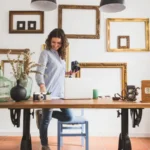
In one home office project, the client had a beautiful desk setup—but poor lighting and an uncomfortable chair. After fixing just those two things, their productivity improved noticeably within days.
2. Decluttering Changes Everything
Most homes don’t need more decoration—they need less noise.
One client in a medium-sized house felt their living room was “too small.” But the real issue was overfurnishing.
We removed:
- Two extra side tables
- One oversized cabinet
Suddenly, the room felt open, breathable, and more expensive—without buying anything new.
3. Smart Space Planning Beats Bigger Homes
People often think they need a bigger house. In reality, they need better planning, Interior Design DrHomey.
A trick we use often:
- Use vertical space (walls, shelves)
- Choose multi-purpose furniture
- Keep pathways clear
In small apartments, this alone can completely transform how the space feels.
4. Lighting Is a Game-Changer
Lighting is one of the most underestimated elements in design.
In almost every project, improving lighting creates the biggest visual impact.
We typically layer lighting into:
- General lighting (overall brightness)
- Task lighting (focused areas like the kitchen or desk)
- Accent lighting (for mood and depth)
In one living room redesign, adding just two warm lamps completely changed the atmosphere from dull to inviting.
Room-by-Room Practical Advice
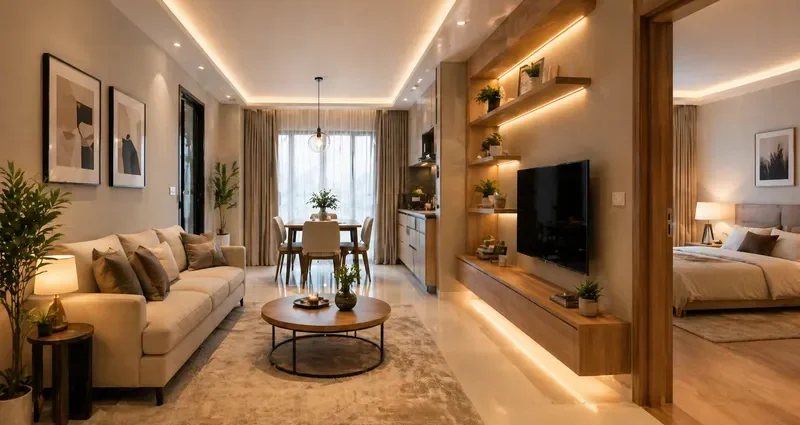
Living Room: Make It Feel Alive
Instead of treating it like a showroom, design it for interaction.
What works best:
- Arrange seating for conversation—not just TV viewing
- Add soft textures (rugs, cushions)
- Leave some empty space—it creates balance
A living room should feel like people actually live there.
Bedroom: Keep It Calm and Simple
Your bedroom should help you slow down.
We usually recommend:
- Neutral or soft colors
- Minimal furniture
- Warm lighting
In one project, just switching from bright white lights to warm tones helped the client sleep better within a week.
Kitchen: Design for Efficiency, Not Looks
A beautiful kitchen that’s hard to use becomes frustrating quickly.
Focus on:
- Easy access to daily items
- Clear countertops
- Good task lighting
One small but powerful change: organizing frequently used items within arm’s reach can save minutes every day.
Home Office: Support Your Focus
Working from home has changed how we use space.
A productive setup includes:
- Natural light whenever possible
- Comfortable seating
- Minimal distractions
I’ve seen people struggle for months—then improve instantly after fixing just their desk positioning and lighting.
Mistakes I See Again and Again
No matter the size of the home, the same issues keep showing up:
- Buying furniture before planning layout
- Ignoring lighting completely
- Following trends without thinking about comfort
- Filling every corner unnecessarily
Good design is not about doing more—it’s about doing the right things.
A Real Transformation Story
One of the most memorable projects involved a small apartment that felt cramped and dark.
Here’s what we changed:
- Replaced heavy furniture with lighter pieces
- Added mirrors to reflect light
- Introduced layered lighting
- Decluttered aggressively
The client’s reaction said it all:
“It feels like a different home.”
That’s the power of intentional design.
Practical Styling Tips You Can Apply Today
If you want quick improvements, start here:
Use the 60-30-10 Color Balance
It keeps your space visually organized and pleasing.
Mix Materials, Not Clutter
Wood, fabric, and metal create depth without overcrowding.
Add Personality
Your home should reflect you—not a catalog.
Refresh Small Things Regularly
Even changing cushions or throws can update the entire look.
Why This Approach Works Long-Term
Trends change fast. What looks modern today may feel outdated tomorrow.
But functional, thoughtful design never goes out of style.
That’s why this approach works for:
- Small apartments
- Family homes
- Any budget level
It adapts to your life instead of forcing you to adapt to it.
Final Thoughts
If there’s one thing I’ve learned from working on real homes, it’s this:
A stylish home isn’t created by adding more—it’s created by choosing better.
When you focus on comfort, function, and intentional design, everything else naturally falls into place.
That’s the real idea behind Interior Design DrHomey—not just making homes look better, but making everyday life feel easier and more enjoyable. For more information, visit our website.