
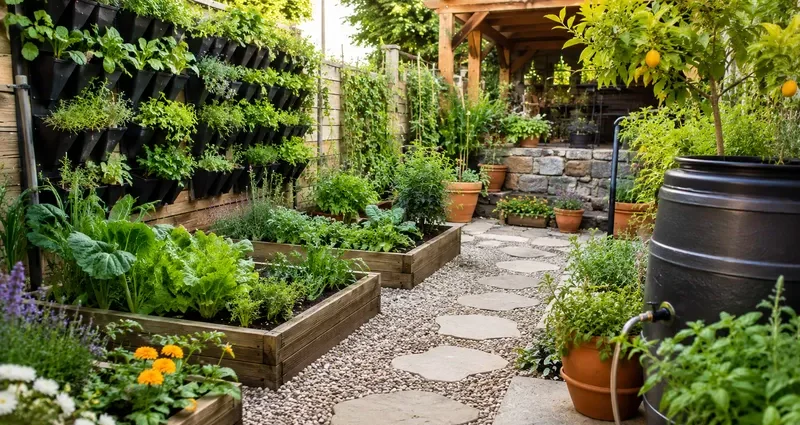
Modern gardening is no longer just about planting seeds and hoping for the best. It has evolved into a thoughtful blend of design, sustainability, and smart techniques. This Garden Guide Homenumental is crafted to help you build a thriving, efficient, and beautiful garden—whether you’re working with a backyard, balcony, or small urban space.
If you’ve ever struggled with plant care, pests, or budgeting your garden setup, this guide will walk you through real-world solutions that actually work.
What Is Garden Guide Homenumental?
The Garden Guide Homenumental is a modern approach to gardening that focuses on practical design, sustainability, and efficiency. Instead of random planting, it encourages intentional gardening—choosing the right plants, tools, and layouts for long-term success.
It blends traditional gardening wisdom with modern techniques like vertical gardening, smart irrigation, and eco-friendly pest control. The goal is simple: grow more with less effort while creating a space that feels both functional and visually appealing.
Why Modern Gardening Matters Today
Gardening today solves more than aesthetic problems—it addresses food security, mental health, and environmental sustainability.
Studies indicate that home gardening may lower household food spending by nearly a quarter each year. It also lowers carbon footprints by reducing reliance on transported produce.
Beyond that, gardening improves mental well-being. Spending even 30 minutes a day in a garden reduces stress and boosts mood significantly.
Planning Your Garden the Smart Way
A successful garden always starts with a plan. Instead of rushing into planting, take time to understand your space.
Ask yourself:
- How much sunlight does your area receive?
- What type of soil do you have?
- How much time can you realistically invest?
Divide your garden into zones—vegetables, herbs, flowers, and relaxation areas. This zoning method improves productivity and makes maintenance easier.
Specific Gardening Tools & Brands We Recommend
Choosing the right tools can dramatically improve your gardening efficiency and reduce physical strain. In my experience, investing in durable, ergonomic tools pays off in the long run. Brands like Fiskars and Corona consistently deliver high-quality pruners and shears that stay sharp for years. A sturdy hand trowel, bypass pruner, and watering system form the core toolkit. Avoid cheap plastic tools—they often break mid-season. Instead, focus on comfort, grip, and durability. The right tools don’t just make gardening easier—they make it more enjoyable and sustainable.
Choosing the Right Plants for Your Space
Not every plant thrives everywhere. Choosing the right plants plays a key role in achieving a healthy and thriving garden.
For beginners:
- Herbs like basil and mint grow easily
- Leafy greens like spinach and lettuce adapt well
- Tomatoes are productive and rewarding
For smaller spaces, vertical gardening works wonders. Use wall planters or hanging baskets to maximize space.
Native plants are another smart choice—they require less water and resist local pests naturally.
Soil Health: The Foundation of Everything
Healthy soil equals healthy plants. Many beginners overlook this step, but it’s critical.
Good soil should:
- Drain well
- Retain nutrients
- Support microbial life
Add compost regularly to improve soil quality. Composting kitchen waste like vegetable peels not only reduces waste but enriches your garden naturally.
Testing your soil once a year helps you understand what nutrients are missing.
Watering Techniques That Actually Work
Overwatering is one of the most common mistakes in gardening.
Instead of watering daily, focus on deep watering 2–3 times per week. It encourages roots to extend deeper, helping plants withstand stress more effectively.
Drip irrigation systems are highly efficient. They deliver water directly to roots, reducing waste by up to 50%.
Water early in the morning to minimize evaporation and fungal growth.
Real-World Challenge: How I Managed Pests Naturally
One of the biggest challenges I faced was a sudden aphid infestation that nearly destroyed my vegetable patch. Instead of using chemical pesticides, I tried natural solutions. I introduced ladybugs, which are natural predators of aphids, and sprayed a simple neem oil solution weekly. Within two weeks, the infestation dropped significantly. Companion planting also helped—marigolds acted as natural repellents. This experience taught me that patience and eco-friendly methods can solve pest problems effectively without harming the environment or plant health.
Smart Gardening Techniques for Higher Yield
Modern gardening isn’t just about planting—it’s about optimizing.
Here are proven techniques:
- Companion planting: Grow plants that support each other
- Crop rotation: Prevent soil depletion
- Mulching: Retain moisture and suppress weeds
Raised beds are another excellent option. They improve drainage and make maintenance easier, especially for beginners.
Cost vs. Value Breakdown (My Personal Recommendation)
Many people assume gardening is expensive, but it depends on your approach. A basic setup can cost around $50–$100, including seeds, soil, and tools. However, the long-term value far outweighs the initial cost. Growing your own vegetables can save hundreds of dollars annually. My recommendation is to start small—focus on high-yield plants like tomatoes, herbs, and leafy greens. Avoid overspending on decorative items initially. Invest in essentials first, then expand gradually. Gardening becomes cost-effective when you treat it as a long-term investment rather than a one-time project.
Common Gardening Mistakes to Avoid
Even experienced gardeners make mistakes, but avoiding these can save you time and effort:
- Planting too much too soon
- Ignoring soil quality
- Overwatering or underwatering
- Choosing the wrong plants for your climate
Start small, observe your plants, and adjust as needed.
Sustainable Gardening Practices
Sustainability is at the heart of modern gardening.
Simple steps include:
- Using compost instead of chemical fertilizers
- Collecting rainwater
- Growing native plants
- Reducing plastic use
These practices not only help the environment but also make your garden more resilient.
How to Maintain Your Garden Year-Round
Consistency matters more than intensity.
Create a weekly routine:
- Check soil moisture
- Remove weeds
- Inspect plants for pests
- Trim and prune regularly
Seasonal adjustments are also important. For example, switch to cold-resistant plants in winter and shade-loving plants in summer.
Final Thoughts
The Garden Guide Homenumental isn’t just about gardening—it’s about creating a system that works for you. Whether you’re growing food, improving your mental health, or enhancing your home’s beauty, modern gardening offers real, measurable benefits. For more information, visit our website.