
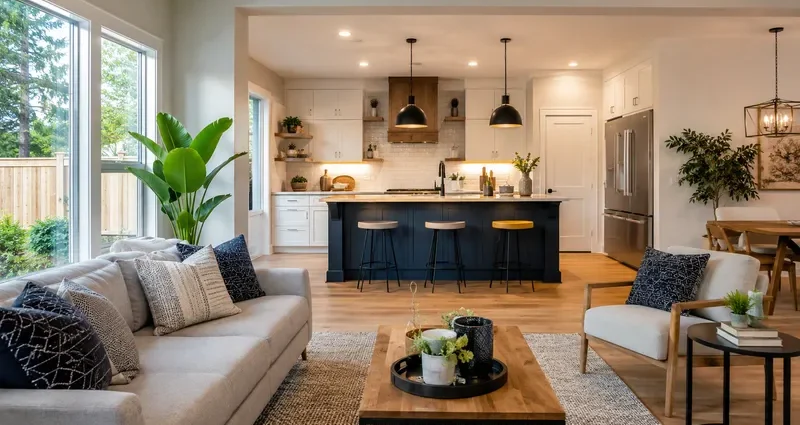
Modern homeowners want more than just a beautiful space—they want efficiency, durability, and long-term value. That’s exactly where Home Upgrading Advice Mintpalment comes in. Instead of random upgrades, this method focuses on smart, data-driven decisions that improve how a home actually performs in real life.
This guide breaks down practical strategies, real-world examples, and expert-level insights to help you upgrade your home the right way.
What Is Home Upgrading Advice Mintpalment?
Home Upgrading Advice Mintpalment is a strategic approach to home improvement that prioritizes:
- Function over decoration
- Long-term savings over short-term trends
- Real usability over visual appeal alone
It blends smart planning, modern materials, and energy-efficient systems to create a home that performs better every day.
Why Strategic Home Upgrades Matter Today
Recent housing trends show that over 70% of homeowners prefer to upgrade rather than relocate due to rising property costs.
Key Benefits:
- Reduce energy bills by 20–30%
- Increase property value by 10–25%
- Improve daily comfort and usability
- Future-proof your home
Step 1: Start With a Real Home Performance Audit
Before upgrading anything, evaluate how your home actually performs.
Ask:
- Where does energy get wasted?
- Which spaces feel inefficient?
- What affects daily comfort?
Real Example:
A homeowner reduced annual electricity costs by $500 after sealing gaps in the attic insulation.
Step 2: Focus on High-ROI Upgrades
Kitchen Modernization (Smart Approach)
Instead of jumping into a full $15,000 remodel, use cabinet refacing or high-durability polyurethane paint. This approach can reduce renovation costs by up to 70% while still delivering a clean, modern look.
Upgrade appliances only when necessary, and prioritize energy-efficient models to maximize long-term savings.
Bathroom Optimization
- Install water-saving fixtures
- Improve ventilation to prevent mold
- Use durable, anti-slip flooring
These small upgrades significantly reduce maintenance costs over time.
Living Spaces That Actually Work
- Open layouts improve light and airflow
- Use layered lighting for better usability
- Arrange furniture based on function, not just design
Step 3: Smart Home Technology That Delivers Results
Smart homes add convenience—but only when used strategically.
Choose Energy Star certified smart thermostats like Ecobee or Nest. Features like geofencing automatically adjust temperature based on your location and can reduce cooling costs by around 12% in real-world usage.
Other useful upgrades:
- Smart lighting systems
- Motion-detection security devices
Step 4: Energy Efficiency That Pays Back
Energy-efficient upgrades offer one of the highest returns.
Best Options:
- LED lighting (cuts energy use up to 75%)
- Double-glazed windows
- Improved insulation
Solar Panels:
- High upfront cost
- But can reduce electricity bills by 40–60% annually
Step 5: Flooring and Material Selection
Choosing the wrong materials leads to frequent replacements.
For high-traffic areas, use:
- Engineered Hardwood, or
- Luxury Vinyl Plank (LVP) with at least a 20-mil wear layer
These options resist scratches from pets and daily use, making them far more durable than cheaper alternatives.
Budget-Friendly Upgrades That Actually Work
You don’t need a big budget to apply Home Upgrading Advice Mintpalment.
High-Impact Low-Cost Changes:
- Repaint walls with neutral tones
- Replace outdated light fixtures
- Upgrade door hardware
- Add indoor plants
Small upgrades often deliver the highest ROI.
Common Mistakes to Avoid
1. No Clear Plan
Leads to overspending and poor results. Many homeowners start renovations without defining scope, budget, or timeline. This often causes mid-project changes, which can increase costs by 20–40%. Always outline priorities, set a realistic budget, and create a step-by-step roadmap before starting.
2. Following Trends Blindly
Trends fade—function lasts. For example, overly bold color schemes or ultra-minimal designs may look appealing today but can feel outdated within a few years. Focus on timeless elements like neutral palettes, durable materials, and flexible layouts that adapt to future needs.
3. Over-Upgrading
Stay within your area’s property value range. Installing luxury features in a mid-range neighborhood rarely delivers full ROI. Research local market values before upgrading. A good rule: your total renovation cost should align with comparable homes in your area.
4. DIY Without Skills
Bad work increases long-term costs. While DIY can save money upfront, mistakes in electrical, plumbing, or structural work often lead to expensive repairs later. Use professionals for technical tasks and limit DIY to cosmetic upgrades like painting or décor.
How to Build a Smart Upgrade Plan
Use a phased approach to reduce financial pressure and improve execution.
Phase 1: Energy Efficiency Improvements
Start with insulation, lighting, and sealing air leaks. These upgrades deliver immediate savings and create a strong foundation for future improvements.
Phase 2: Kitchen and Bathroom Upgrades
Focus on high-use areas that impact daily life the most. Use cost-effective strategies like cabinet refacing and fixture upgrades instead of full remodels when possible.
Phase 3: Smart Home Integration
Once the core structure is optimized, add smart systems like thermostats, lighting, and security. This ensures technology enhances an already efficient home rather than compensating for inefficiencies.
Pro Tip:
Always keep a 10–15% contingency budget for unexpected expenses. Even well-planned projects can face hidden issues like wiring problems or structural repairs.
Future Trends in Home Upgrading
- AI-powered automation
- Sustainable materials
- Minimalist, functional designs
- Multi-purpose living spaces
Final Thoughts
Home Upgrading Advice Mintpalment is about upgrading smarter—not spending more. When you focus on performance, efficiency, and durability, every improvement becomes a long-term investment.
Start with small changes, follow a clear strategy, and build a home that truly supports your lifestyle. For more information, visit our website.