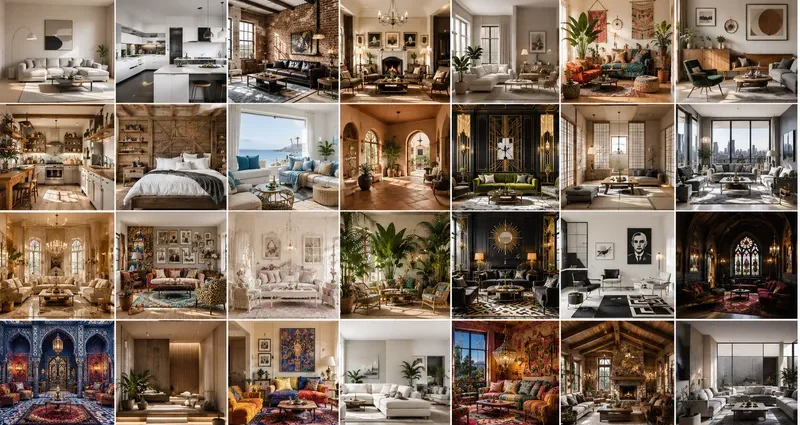
This guide explores 25+ iconic design styles with clear explanations, real-world applications, and expert-level insights to help you confidently choose the right direction for any space.
1. Modern Interior Design
Modern design focuses on simplicity, clean structure, and open spaces that prioritize function over decoration. It avoids clutter and uses neutral colors, straight lines, and minimal furniture for a calm environment.
This style works especially well in urban homes where space optimization and visual clarity are important for daily living comfort.
2. Contemporary Interior Design
Contemporary design reflects current trends and evolves continuously instead of following one fixed aesthetic rule. It blends soft curves, bold accents, and mixed materials like glass, metal, and wood.
Designers often use it in modern homes where flexibility and trend adaptability are highly valued over traditional structure.
3. Minimalist Design
Minimalist interiors follow the principle of “less is more,” focusing only on essential elements needed for function. It removes visual noise and promotes clarity, calmness, and mental relaxation inside living spaces.
This style is widely used in apartments where simplicity improves both space efficiency and emotional comfort.
(Expert Tip: Start by removing 30% of visible items to instantly achieve a cleaner look.)
4. Scandinavian Design
Scandinavian style combines warmth and simplicity using light tones, natural wood, and cozy textures throughout interiors. It emphasizes comfort, functionality, and natural light to create welcoming, bright environments.
It is especially popular in colder regions where interiors must feel warm, airy, and naturally balanced.
5. Industrial Design
Industrial design takes inspiration from warehouses, factories, and urban lofts, using raw, unfinished materials. Exposed brick, steel frames, and concrete surfaces define its bold and edgy character.
This style is often seen in renovated city lofts and creative studio spaces.
6. Traditional Design
Traditional design reflects classic European elegance with symmetrical layouts, rich wood furniture, and detailed ornamentation. It creates a timeless and formal atmosphere rooted in history and craftsmanship.
Homeowners choose it for its comfort, familiarity, and long-lasting visual appeal.
7. Transitional Design
Transitional style blends traditional elegance with modern simplicity to create balanced and flexible interiors. It avoids extremes and focuses on neutral tones, soft textures, and clean furniture shapes.
This makes it one of the most adaptable Interior Design Styles for modern households.
8. Bohemian (Boho) Design
Bohemian design is expressive, colorful, and artistic, combining global influences, patterns, and layered textures. It reflects individuality and a relaxed lifestyle with no strict design boundaries.
People who enjoy travel, culture, and creativity often prefer this free-spirited design approach.
9. Mid-Century Modern
Mid-century modern design features clean geometry, functional furniture, and retro aesthetics from the 1950s–60s era. It highlights natural wood, organic shapes, and bold accent colors.
This style remains popular due to its timeless simplicity and practical elegance.
10. Farmhouse Design
Farmhouse design blends rustic charm with modern comfort using wood textures, soft neutrals, and vintage details. It creates warm and welcoming environments that feel homely and grounded.
It is commonly used in suburban and countryside homes for its cozy appeal.
11. Rustic Design
Rustic interiors focus on raw natural beauty using stone, wood, and earthy materials. It avoids polished finishes and celebrates organic textures and handcrafted elements.
This style creates a strong connection between indoor spaces and nature.
12. Coastal Design
Coastal design is inspired by beaches and ocean environments, using light colors and airy textures. Soft blues, whites, and natural fibers create a refreshing and relaxed atmosphere.
It is ideal for homes that want a calm, vacation-like feel year-round.
13. Mediterranean Design
Mediterranean interiors reflect Southern European architecture with warm tones, arches, and textured walls. Terracotta tiles and handcrafted details add depth and cultural richness.
This style works well in warm climates and spacious homes.
14. Art Deco Design
Art Deco design is bold, luxurious, and geometric, inspired by the glamour of the 1920s. It uses metallic finishes, rich colors, and symmetrical patterns for dramatic effect.
It is often used in high-end apartments and boutique interiors.
15. Japanese Design
Japanese design focuses on simplicity, balance, and harmony with nature. It uses natural materials, open space, and minimal furniture to create peaceful environments.
This style promotes mindfulness and is ideal for stress-free living spaces.
16. Urban Modern Design
Urban modern design is tailored for city living, combining sleek aesthetics with functional layouts. It uses neutral palettes and smart storage to maximize small or medium spaces.
It is highly popular among professionals living in metropolitan areas.
17. Luxury (High-End) Design
Luxury design emphasizes exclusivity through premium materials like marble, velvet, and custom finishes. Statement lighting and elegant furniture define its sophisticated identity.
It is often found in high-end residences and luxury apartments.
18. Eclectic Design
Eclectic design blends multiple Interior Design Styles into one cohesive yet diverse space. It allows creative freedom while maintaining balance through thoughtful arrangement.
This style is ideal for people who enjoy personal expression and artistic interiors.
19. Shabby Chic Design
Shabby chic design combines vintage furniture with soft pastel tones and distressed finishes. It creates a romantic, cozy, and nostalgic atmosphere.
This style is popular in small homes and feminine-inspired interiors.
20. Tropical Design
Tropical design brings nature indoors using lush plants, bright colors, and natural textures. It creates a lively and refreshing atmosphere inspired by warm climates.
It works especially well in homes with good natural lighting.
21. Hollywood Regency
Hollywood Regency design is glamorous, bold, and dramatic with high-contrast colors and shiny surfaces. It reflects classic Hollywood luxury and elegance.
This style is often used in statement rooms and luxury interiors.
22. Bauhaus Design
Bauhaus design focuses on functionality, geometry, and simplicity with minimal decoration. It prioritizes practical use while maintaining visual harmony.
It is considered a foundation of modern design principles.
23. Gothic Design
Gothic design is dramatic and architectural, featuring dark tones, arches, and detailed ornamentation. It creates a bold, historical, and atmospheric interior feel.
It is often used in themed or heritage-inspired spaces.
24. Moroccan Design
Moroccan design is vibrant and artistic with intricate patterns, colorful tiles, and handcrafted details. It reflects rich cultural heritage and exotic aesthetics.
This style creates warm and visually dynamic interiors.
25. Asian Zen Design
Asian Zen design emphasizes calmness, balance, and simplicity through natural elements and minimal décor. It creates peaceful environments focused on mental clarity.
It is widely used in meditation spaces and modern calm interiors.
26. Maximalist Design
Maximalist design embraces bold expression with layered patterns, vibrant colors, and rich textures. It follows a “more is more” philosophy.
This style suits creative individuals who enjoy expressive and energetic spaces.
Expert Insights on Interior Design Styles
Experts agree that modern homeowners rarely stick to one fixed style. Instead, over 65% of interior projects now combine multiple Interior Design Styles to achieve personalized results.
Sustainability is also shaping the industry, with eco-friendly materials, energy-efficient lighting, and recycled furniture becoming standard design choices worldwide.
How to Choose the Right Interior Design Style
Choosing the right style depends on lifestyle needs, available space, and personal taste. Small homes benefit from minimalist or Scandinavian approaches, while large spaces allow traditional or luxury designs.
Blending styles thoughtfully creates unique interiors that feel both functional and personal.
Conclusion
Understanding Interior Design Styles helps transform ordinary spaces into meaningful, functional, and visually appealing environments. Each style offers unique benefits, from simplicity to luxury and from tradition to modern innovation. For more information, visit our website.